
- All
- Case Studies
- Event Blog
- Featured
- Technologies
- Uncategorized
RINNO: A New Era of Energy-Efficient Renovation
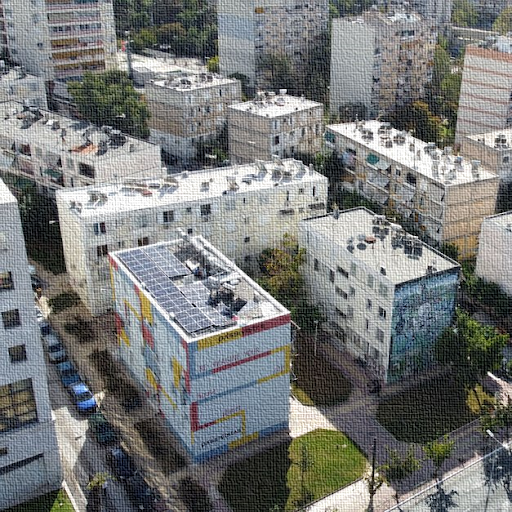
The RINNO project’s optimised renovation roadmap has now been demonstrated across four large-scale pilot sites (3,386 m² each) in diverse European climatic zones. The solutions show that the majority of RINNO technologies function as intended in real buildings, that several IT tools exhibit clear usability and potential benefits, and that the combined renovation framework delivers tangible improvements in energy performance, indoor environmental quality, and user satisfaction. Although full end-to-end deployment of the RINNO Suite was limited by tool development timelines and individual pilot progress, the work completed provides a robust, evidence-based foundation for future deployment and scaling.

Accelerating Construction: Why Automated 4D BIM Scheduling is the Future
As construction projects become more complex, traditional planning methods struggle to prevent delays and cost overruns. New research comparing manual and automated 4D BIM scheduling shows how automation dramatically improves speed, accuracy, and consistency by turning static 3D models into reliable time-based plans. The findings present a strong case for automated 4D BIM as a vital tool for efficiency and risk reduction in modern construction.

Achieving 90% Faster Construction Planning Through Automated Techniques
A new rule-based approach to 4D BIM scheduling shows that construction planning can be completed up to 90% faster by embedding predefined logic directly into 3D model elements, eliminating the need for thousands of manual links. Tested on the large-scale Nanterre 2 CESI project in France, the semi-automated method cut the traditional two- to three-day linking process down to just a few hours while producing far more consistent, error-resistant schedules. By shifting repetitive tasks to intelligent model rules, project teams can now focus on strategic decision-making, resulting in more reliable bids, reduced on-site risks, and smoother project delivery. These findings provide a strong foundation for industry-wide digital transformation, demonstrating how smarter BIM workflows can accelerate planning, improve resource coordination, and support more sustainable construction practices.

Can Deep Renovation Turn Your Old Building Into a Net Energy Generator?
Europe’s mid-century apartment blocks are often seen as obstacles to decarbonisation, yet new dynamic simulation research on a 1970s building in Moschato, Athens shows they can become net energy producers. Using the INTEMA.building platform, the study modelled a full suite of passive and active upgrades: advanced insulation, triple glazing, heat pumps, mechanical ventilation with heat recovery, and extensive solar technologies. The researchers found dramatic performance gains: heating demand fell by 93%, cooling by 78%, solar thermal covered nearly 87% of hot water needs, and photovoltaics generated enough electricity to meet all annual loads while exporting surplus energy. With an 88% reduction in primary energy use and projected life cycle cost savings of €622,000, the findings demonstrate that holistic deep renovation is not only technically feasible but financially compelling, offering policymakers and investors a concrete pathway for transforming inefficient buildings into climate-positive assets.

The True Cost and Roadmap for Making European Homes Smart-Ready
Imagine a home that knows exactly when to dim the lights, adjust the heating, or even pre-emptively manage solar power. This isn’t just a vision for the future; it’s the goal of a “smart building.” This transformation relies heavily on the Smart Readiness Indicator (SRI), an EU framework designed to measure a building’s capacity to adapt to its occupants’ needs, support maintenance, and operate energy-efficiently.
How Can Digital Tools and BIM Tackle Renovation Cost, Delays, and Occupant Disruption?
Imagine needing to completely refit your home or apartment building while still living in it. This stressful scenario is a daily reality for millions across Europe as older, inefficient buildings require deep renovation. Buildings are responsible for the largest environmental impacts in Europe, consuming almost 40% of energy. 75% of the existing built environment is energy-intensive. Up to 80% of these buildings will still be in use by 2050. The single biggest barrier to achieving this necessary change towards sustainable construction is often the disruption caused to occupants, which frequently generates high cost and schedule overruns. New digital tools are urgently needed to solve this problem.
A Simple Blueprint for Climate and Cost Savings in Building Renovation
Europe’s aging buildings are leaking energy – and money – at an unsustainable scale. With three-quarters of the EU’s building stock operating far below modern efficiency standards, the stakes couldn’t be higher. But new research from Athens shows that deep renovation isn’t just a necessity for the climate, but also presents significant financial benefits. By applying the VERIFY dynamic life cycle analysis tool to a multi-family block in Moschato-Tavros, researchers demonstrated how a full Passive House-level retrofit can slash emissions by 95%, cut energy demand by more than 90%, and pay for itself in just over three years. Over a 25-year horizon, the renovation racks up more than half a million Euros in savings, all while transforming living conditions for low-income residents and tackling energy poverty head-on.

How Can We End the Data ‘Silos’ in Smart Buildings?
The study “Towards an Interoperable Approach for Modelling and Managing Smart Building Data: The Case of the CESI Smart Building Demonstrator”, conducted at Northumbria University, dives into this core challenge, exploring how a standardised, unified approach can make all that valuable data work together for a more efficient and sustainable built environment.

Decentralised Heating: How Small Batteries Slash Costs and Boost Energy Efficiency
This study on the “Dynamic investigation of centralised and decentralised storage systems for a district heating network” explores a revolutionary alternative: what if the key to a greener, more cost-effective heating future isn’t a giant facility, but a small, smart thermal battery right at your doorstep? This question is vital as countries across Europe push to decarbonise their heat supply and move toward sustainable urban energy solutions.

How the RINNO Platform is Unlocking Integrated Design for Europe’s Deep Energy Renovation
The paper “RINNO: Towards an Open Renovation Platform for Integrated Design and Delivery of Deep Renovation Projects” sets out the roadmap for an Open Renovation Platform designed to revolutionise how residential deep renovation projects are managed and delivered.
Revolutionising Energy Efficiency: The SUREFIT Project’s Impact on European Buildings
By the SUREFIT Team In an increasingly sustainability-conscious world, Europe is leading the charge towards a greener future with innovative projects like SUREFIT. This EU-funded project is focused on making our buildings more efficient and sustainable and could have a profound impact on how we live and work in the future. What exactly is SUREFIT, […]

Additive Manufacturing Revolutionising Construction & Renovation: A Sustainable Paradigm Shift
Additive manufacturing (AM) has revolutionised the construction industry by allowing the fabrication of three-dimensional objects through layer-based material connections. With methods like selective laser sintering (SLS) and fused deposition modelling (FDM), AM can utilise various materials such as metals, composites, ceramics, and polymers, facilitating the creation of complex structural components with minimal waste. Particularly in concrete 3D printing, the market is booming, expected to reach $40 billion by 2027. Yet, challenges persist, including high equipment costs, labour shortages, and environmental concerns regarding material usage and energy consumption.
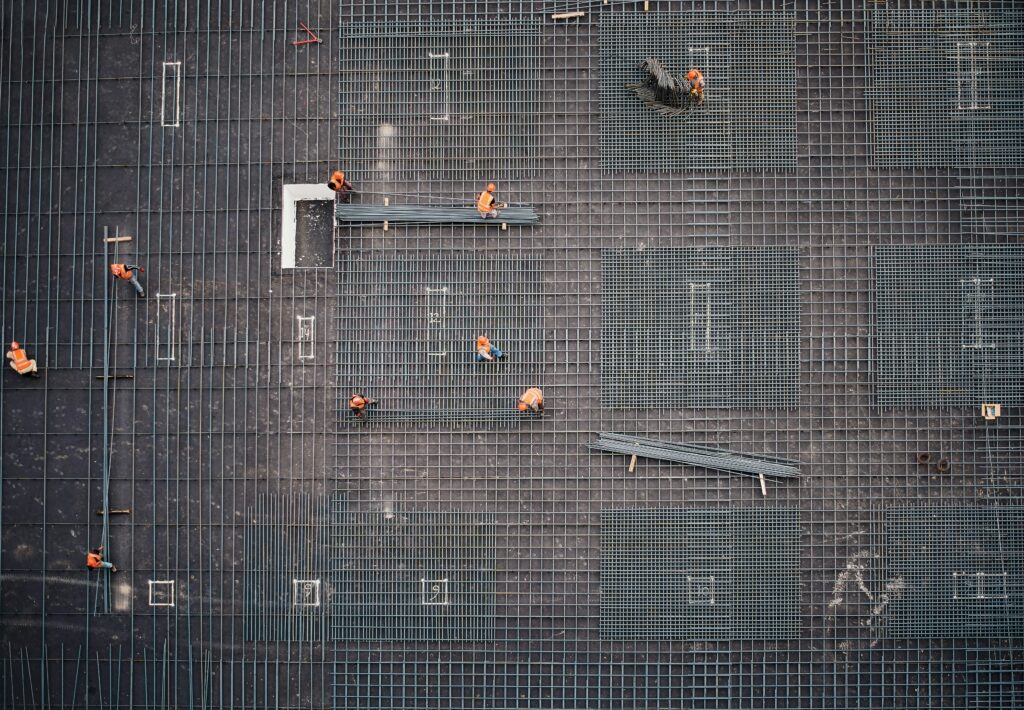
Unveiling the Data-Driven Transformation: Exploring Big Data and Analytics in Deep Renovation
By Samantha Schoenlank and Antonia Egli (Dublin City University) In our quest to explore the transformative impact of technology on the renovation and construction sectors, we continue with the RINNO blog series focusing on the open-access book ‘Disrupting Buildings: Digitalisation and the Transformation of Deep Renovation.’ This month, we bring you insights from Chapter 5 […]

Unleashing the Potential of Digital Twins in Building Renovation
By Samantha Schoenlank and Antonia Egli (Dublin City University) This month, we continue to explore the transformative impact of technology on the renovation sector by covering RINNO’s newly published open-access book ‘Disrupting Buildings: Digitalisation and the Transformation of Deep Renovation’. Read on for insights from Chapter 6 ‘Digital Twins and Their Roles in Building Deep […]

Exploring the Frontiers of Building Performance Simulation in Deep Renovation Projects
Building simulation is a technique that uses computational, mathematical, and machine learning models to represent the physical characteristics, expected or actual operation, and control strategies of a building and its energy systems. The RINNO blog series on the recently published open access book ‘Disrupting Buildings: Digitalisation and the Transformation of Deep Renovation’ moves to Chapter 4: Building Performance Simulation this week with Asimina Dimara, Prof. Stelios Krinidis, Dr. Dimosthenis Ioannidis, and Dr. Dimitrios Tzovaras. Read on for a better understanding of the building performance simulation domain with significant use cases, widely used simulation tools, and the challenges for implementation.

Revolutionising Building Renovation through BIM and Emerging Technologies
The RINNO blog series on the recently published open access book ‘Disrupting Buildings: Digitalisation and the Transformation of Deep Renovation’ continues with a spotlight on Chapter 3: Building Information Modelling with Dr Omar Doukari, Prof Mohamad Kassem, and Prof David Greenwood. Read on to better understand the potential of building information modelling in deep renovation projects. For timely updates on this blog series, sign up to the RINNO newsletter or follow us on social media here.
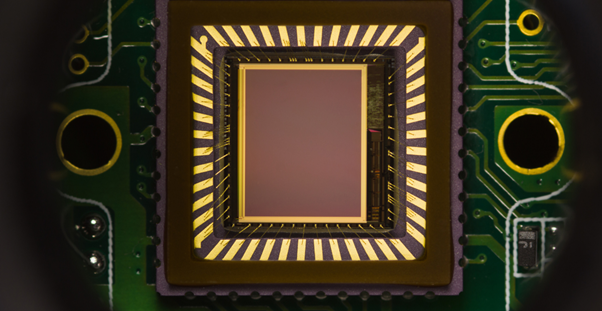
The Power of Sensors in Building Construction, Deep Renovation, and Smart Buildings
The RINNO blog series on the recently published open access book ‘Disrupting Buildings: Digitalisation and the Transformation of Deep Renovation’ continues this week with a spotlight on Chapter 2: Embedded Sensors, Ubiquitous Connectivity and Tracking.
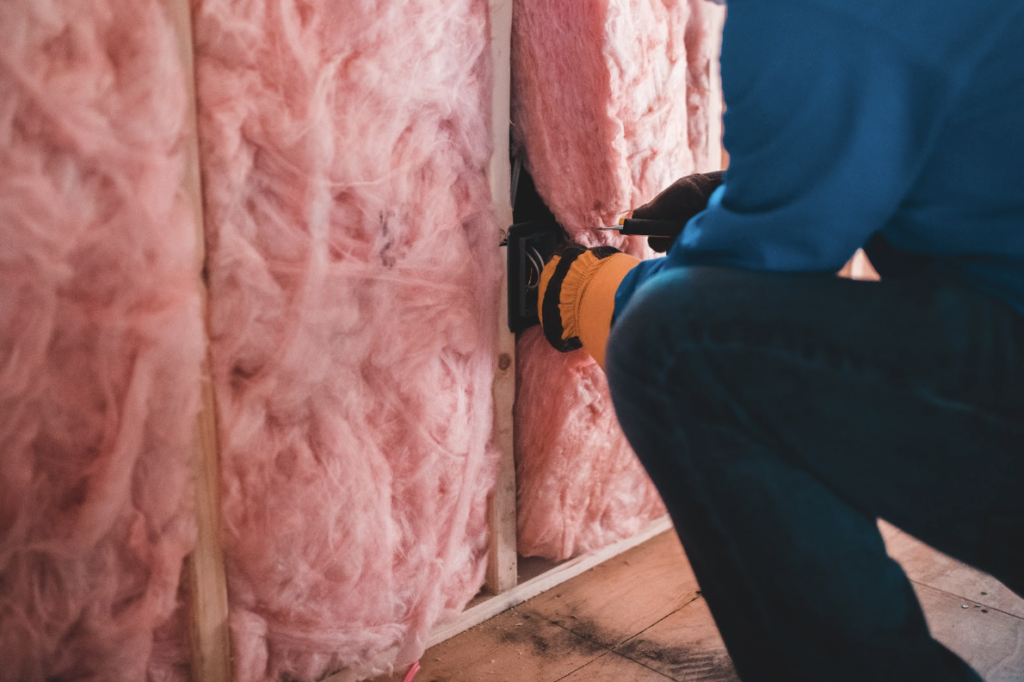
RINNO Expertise in European Thermo-Modernisation to Lead the Polish Renovation Wave
RINNO Expertise in European Thermo-Modernisation to Lead the Polish Renovation Wave RINNO partner, NAPE, boasts over 25 years of experience in energy consulting, popularising efficient and rational energy usage, above all in the building sector, and the principles of sustainable development.. Their knowledge in the field will lead renovation works at RINNO’s Polish demo site. [...]

RINNO: The Advantages of Blockchain in Deep Renovation Projects
In today's digital age, data security and trust are paramount. Blockchain technology has emerged as a revolutionary concept with potential extending far beyond financial applications; its decentralised and transparent nature is already beginning to transform building renovation and construction projects. Read on to better understand the basics of Blockchain technology and how RINNO is making [...]

RINNO Expertise in Implementing Passive House Standards Demonstrated at Greek Pilot Site
A simulation study on energy use in residential buildings is currently underway in Greece with RINNO partners Hellenic Passive Building Institute (HPHI) and the Greek National Center for Research and Technological Development (CERTH). This project's pilot site aims to create the most energy-efficient building in Greece by improving thermal comfort and energy consumption in an [...]
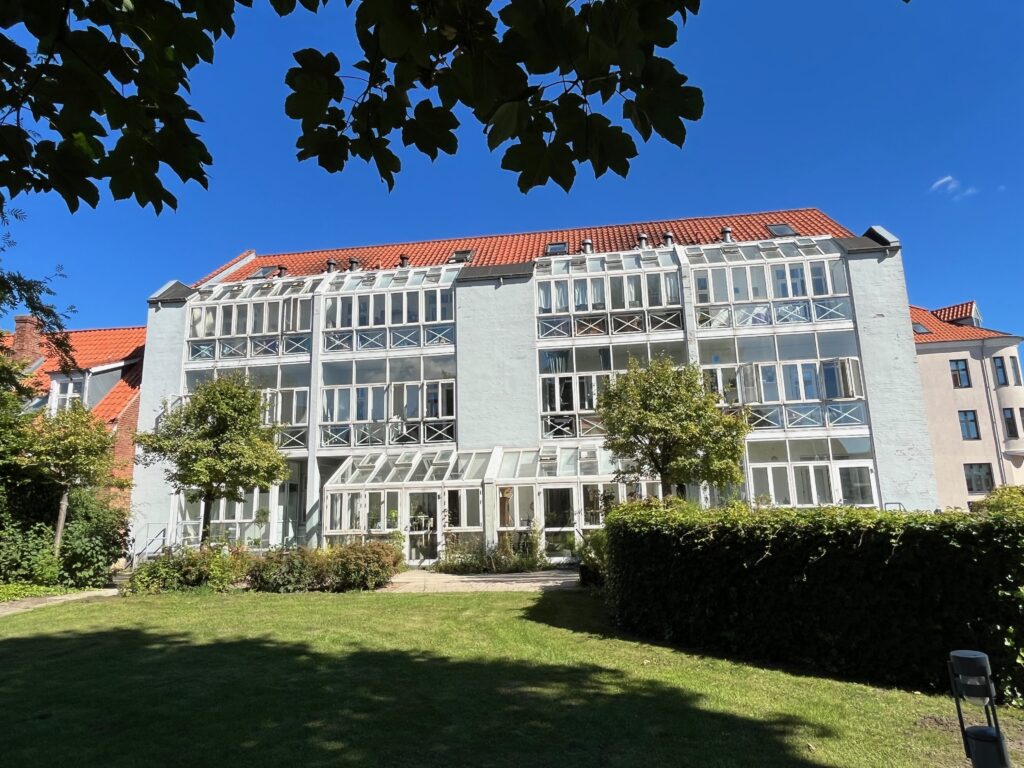
Experience Building Renovation through Virtual Reality: Introducing the Danish RINNO Pilot Site
RINNO is pleased to announce that renovation work on the project’s Danish pilot site in Slagelse is now in full swing. This retrofit is made possible thanks to a collaborative effort between RINNO and the Fællesorganisationen af Boligorganisationer (FOB) in Slagelse to promote sustainable and innovative building renovations, improve the energy efficiency of buildings, and […]
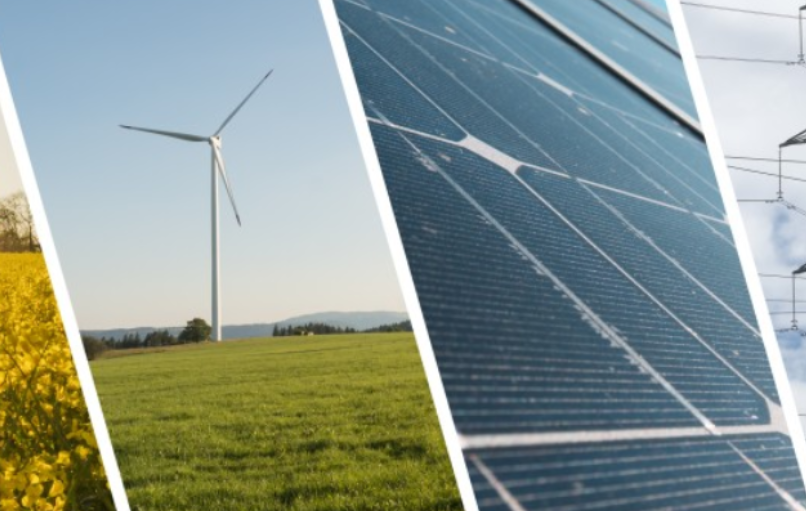
Fostering Energy Revolutions in Cold Winters: Clean Energy Policy Insights from the Irish National Energy Research & Policy Conference
RINNO’s Antonia Egli recently joined the virtual Irish National Energy Research and Policy Conference aimed at the policy makers, academic experts, and energy industry and community representatives tasked with achieving Ireland’s clean energy goals through energy research and policy. The gap between the effects of climate change and the impact of climate solutions is widening [...]

Making Way for Corporate & Government Climate Leadership
RINNO’s Joanna McGowan joined the Dublin City University Centre for Climate and Society inaugural conference in May - as did Michael D. Higgins, President of Ireland. Read on for our key takeaways and insights into what governments and corporations alike can and must do to tackle the climate crisis. Let’s Begin with the Basics: What [...]
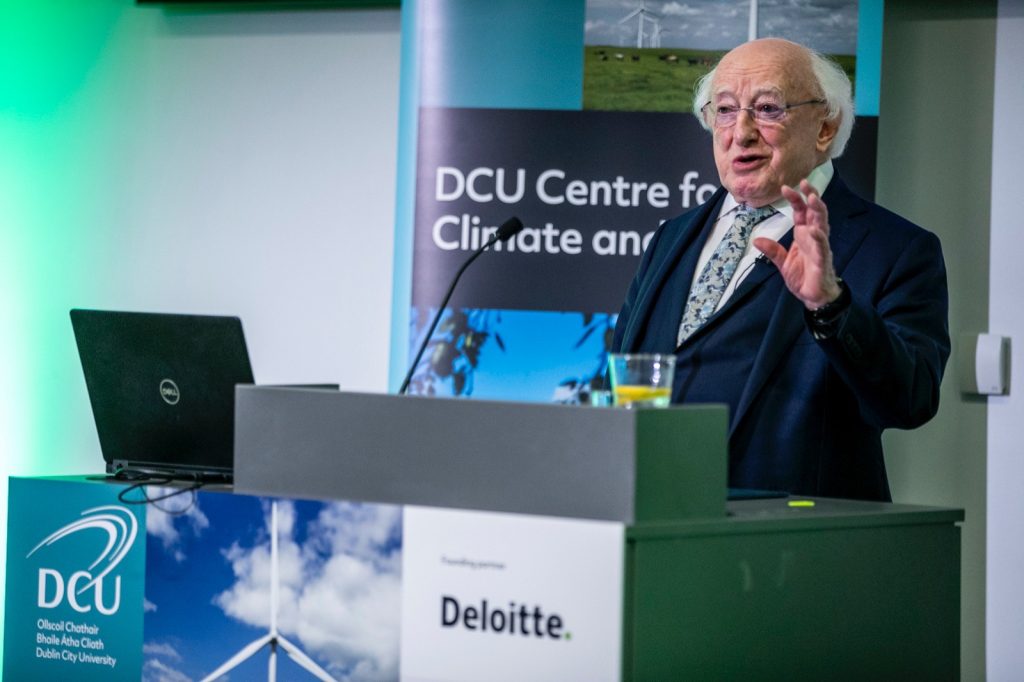
“Restoring our Road to Nature” – President of Ireland, Michael D Higgins, on Ireland’s Response to Climate Change
On May 5th 2022, the inaugural conference for the new DCU Centre for Climate and Society was held at DCU St. Patricks campus, Ireland. The DCU Centre for Climate and Society was established in 2021 and is the first centre in Ireland devoted to leading the societal response to climate change. The Centre for Climate [...]

Transformational Adaptation, Tech & Policy Change for Environmental Sustainability
Dublin City University, academic partner to the RINNO project, this semester launched the ‘Climate and Environmental Sustainability’ BA programme. Antonia Egli speaks to Dr Darren Clarke, Environmental Geographer and Lecturer at DCU’s School of History & Geography, to better understand what it means to foster environmental sustainability in education, policy, and technology.Watch Dr Darren Clarke’s […]

The Newest in ClimateTech: Bill Gates & AI for the Self-Assessment of Building Energy Performance
This October, RINNO’s Antonia Egli joined the SOSV ClimateTech Summit and Sustainable Energy Week. These virtual events brought together ClimateTech entrepreneurs and policymakers to discuss challenges and opportunities ahead - read on for our key takeaways and insights into the latest developments in climate technologies. To get to zero [emissions], you have to do the [...]
“30 Years of Blah, Blah, Blah,” COP26, and the Ongoing Fight against Climate Change
Earlier this week, Swedish climate activist Greta Thunberg mocked the arguably inconsequential efforts of political leaders and climate representatives at the Youth4Climate summit in Milan, Italy. But climate ministers contend that progress is indeed being made – and will convene to further progress this during the 2021 United Nations Climate Change Conference (COP26) this November […]
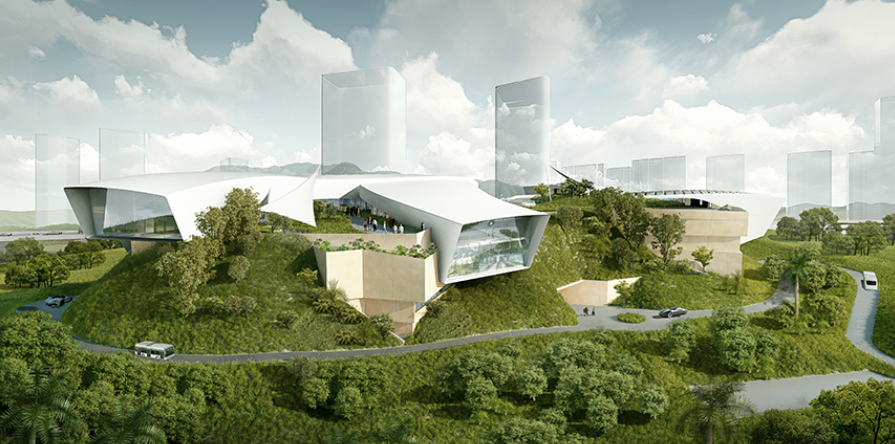
The EU Tech Chamber on Smart Cities: Retrofitting Existing Buildings a Key Challenge in Green Tech Development
By 2050, 65% of the global population is expected to reside in cities. This July, RINNO’s Antonia Egli joined the EU Technology Chamber’s whitepaper launch of ‘10 Key Recommendations for Smart Cities,’ introducing key challenges and requirements for the cities set to be home to an ever-growing number of citizens.Cities will grow as crucial economic […]
RINNO Partner, DCU, Wins 2021 Green Business & Sustainability Award For Drastically Reducing On-Campus Water Consumption
Dublin City University (DCU), ranked in the top ‘100 under 50’ on the Times Higher Education and in the ‘Top 50 under 50’ on the QS World University Rankings, has been awarded the ‘Sustainable Water Achievement Award’ in the Green Awards 2021. How did their bid to drastically reduce water consumption across five campuses in […]

Climate Change: Why What We’re Currently Doing Is Not Enough
On May 19th and 20th, 2021, RINNO’s Antonia Egli attended the virtual Dublin Climate Dialogues featuring high-profile speakers like John Kerry (US Special Presidential Envoy for Climate), and Mary Robinson (Adjunct Professor of Climate Justice, Trinity College Dublin, Chair of the Elders, and former President of Ireland). The two-day event gave room for discussions on [...]
The BITCI Low Carbon Pledge
SAMBHAVI SUDHAKAR (DCU) provides an overview of Business in the Community Ireland’s (BITCI) revised Low Carbon Pledge launched in March 2021 RINNO recently attended the launch of Business in the Community Ireland’s (BITCI) revised Low Carbon Pledge. This revised Low Carbon Pledge updates and expands commitments laid out in previous versions of the Pledge. It […]

From Horizon 2020 To Horizon Europe: What Researchers Need To Know
RINNO’s Antonia Egli (DCU) joined Horizon Europe’s Irish launch event and explains this new funding body’s impact on EU research initiatives.On March 25th, 2021, Horizon Europe was launched in Ireland. The virtual event brought together over 2,000 international viewers and welcomed notable speakers such as Mariya Gabriel, European Commissioner for Innovation, Research, Culture, Education and […]

Creative Approaches to Sustainable Building
RINNO’s Antonia Egli joins Advantage Austria’s “Creative Approaches to Sustainable Building” event and reports on the latest in GlassTech and wasterwater management for sustainable construction and renovation solutions. The event brought together over 200 architects, construction professionals, developers and experts in sustainable construction and was dedicated to sustainable innovation and technological development in the construction […]

GlassTech: How Can it Contribute to Energy Efficiency
Together with RINNO’s Antonia Egli, project partner Greenstruct explains how two relatively new innovations, photovoltaics and thermochromic glass, will be explored within the four-year project.One of the areas that RINNO will be employing to increase the energy efficiency of the project’s pilot sites is so-called GlassTech in construction. Humans have been making glass for thousands of […]

Nearly Zero Energy Buildings (nZEB): Passive House Standards Can Help Meet nZEB Requirements
RINNO’s Stefan Pallantzas discusses how building and renovating houses to passive house standards can help meet nZEB requirements under the EU Energy Performance of Buildings Directive and how the Hellenic Passive House Institute will demonstrate this in the RINNO project.What are Passive House Standards?The EU Energy Performance of Buildings Directive (EPBD) requires all new buildings […]
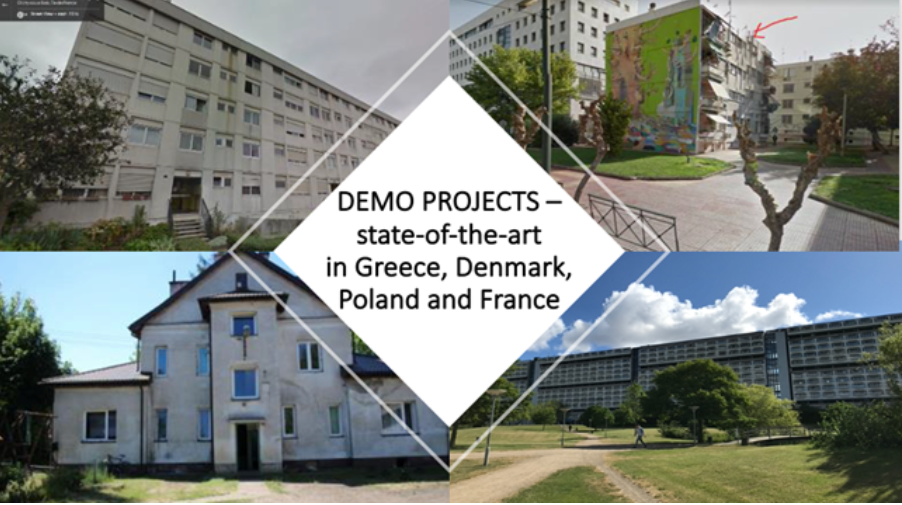
European Green Cities: Leading State Of The Art Tech Transformation In Greece, Denmark and Poland through RINNO
11% of Europe’s population still experiences energy poverty due to poor building quality. If the rate of deep renovation does not accelerate, it could take more than 100 years to renovate the entire EU building stock. As such, energy efficiency in buildings is of extreme importance in Europe’s sustainable development movement. RINNO’s Elsbeth Terkelsen discusses […]

Book Launch: ‘Ireland and the Climate Crisis’
On December 9th, 2020, RINNO’s Antonia Egli joined Dublin City University’s launch of the recently published book ‘Ireland and the Climate Crisis’ edited by David Robbins, Diarmuid Torney and Pat Brereton. The virtual gathering was joined by guest speakers Professor Daire Keogh, President of Dublin City University, Eamon Ryan, Minister for Environment, Climate, Communications and […]
Demand Response in the EU: Market Perspectives & Business Opportunities
In November 2020, RINNO's Antonia Egli joined the DELTA Project’s community in their newest webinar on services, market activities, regulatory issues, and future business opportunities in EU demand response networks. Similar to RINNO, DELTA is a Horizon 2020-funded project working with 10 partners from 8 countries to deliver a new energy distribution structure through demand [...]

RINNO partners discuss motivations, innovative technologies and project milestones
We interview key RINNO partners to gather their insights into the newly launched, four year Horizon 2020 deep renovation project. “We are acting today to make the EU the world’s first climate neutral continent by 2050. The Climate Law is the legal translation of our political commitment, and sets us irreversibly on the path to [...]
 This project has received funding from the European Union's Horizon 2020 research and innovation programme under grant agreement No 892071.